Acupuncture for irregular cycles, Amenorrhoea & PCOS/PMOS
Holistic acupuncture and Chinese medicine support in Wollongong for irregular cycles, amenorrhoea, PCOS/PMOS and hormonal health.
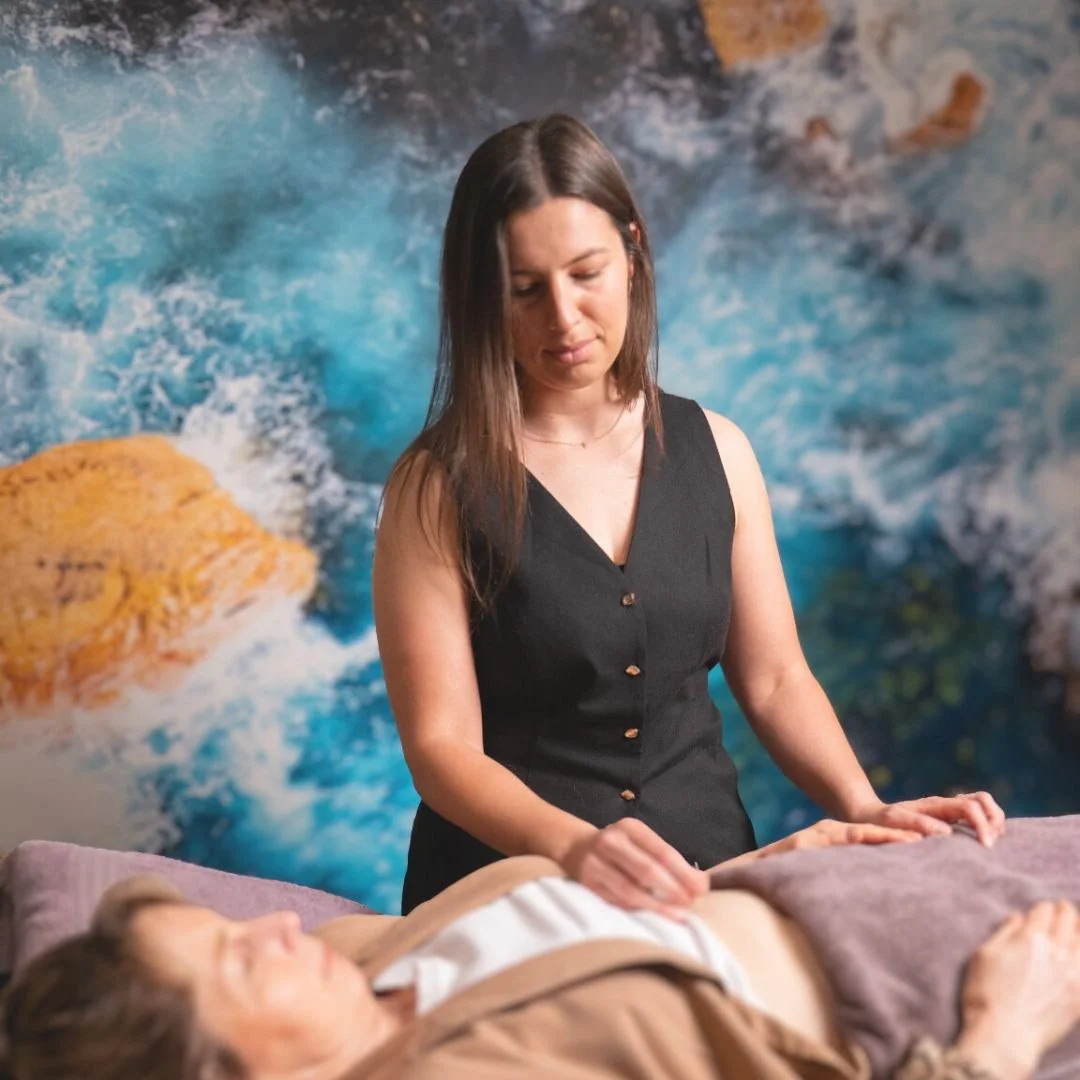
Acupuncture for amenorrhoea, irregular cycles & PCOS/PMOS
A healthy menstrual cycle is often one of the clearest indicators of overall health. When periods become irregular, infrequent, or stop altogether, it can be a sign that the body's hormonal, metabolic, or reproductive systems need additional support.
There are many reasons why menstrual cycles may become disrupted. For some women, irregular periods are related to Polycystic Ovary Syndrome (PCOS), while for others they may be due to hypothalamic amenorrhoea, stress, under-fuelling, excessive exercise, or other hormonal imbalances.

At our clinic, I take an integrative approach to understanding your cycle, combining both Western and Chinese medicine perspectives. This may involve reviewing blood tests, ultrasound findings, basal body temperature charts, ovulation tracking, and menstrual cycle history, alongside a detailed assessment of your sleep, digestion, energy, stress levels, pulse, and tongue.  Treatment is tailored to your individual presentation and may include acupuncture, Chinese herbal medicine, dietary support, lifestyle recommendations, and targeted supplementation where appropriate. The goal is not only to support a healthy menstrual cycle and ovulation, but to improve your overall health and wellbeing.
Understanding PMOS/PCOS
Polyendocrine metabolic ovarian syndrome (PMOS), formerly known as PCOS, is an hormonal disorder characterised by irregular or absent cycleshigh androgens (male sex hormones) and signs of this like hirsutism(excess hair growth, acne)presence of multiple cyst like follicles on the ovaries.other symptoms like weight gain, and fertility challenges.
A majority of PCOS/PMOS cases are driven by insulin resistance, a condition where the body's cells become less responsive to the hormone insulin. Insulin's job is to help move glucose (sugar) from the bloodstream into the body's cells, where it can be used for energy. When the cells become resistant to insulin, the body compensates by producing more of it. As a result, insulin levels may be elevated even when blood sugar levels appear normal on routine blood tests. These higher insulin levels can have a significant impact on reproductive hormones and ovarian function. Excess insulin can stimulate the ovaries to produce more androgens (male-type hormones such as testosterone), interfere with normal ovulation, and contribute to irregular menstrual cycles.This is why addressing insulin resistance and regulating hormones through diet, exercise, lifestyle changes, targeted supplementation, and acupuncture and Chinese herbal medicine, is often an important part of managing PCOS/PMOS and supporting long-term hormonal health.Understanding Amenorrhoea
Amenorrhoea refers to the absence of a menstrual period. Primary amenorrhoea refers to menstruation that has not started by the age of 16, whilst secondary amenorrhoea occurs when menstruation stops for 3 months or longer in a row. Two types of secondary amenorrhoea are discussed below. Hypothalamic amenorrhoea
Hypothalamic amenorrhoea (HA) occurs when the brain temporarily reduces reproductive hormone signalling, causing ovulation and menstruation to stop. It commonly occurs in response to prolonged stress, inadequate calorie intake, significant weight loss or weight gain, excessive exercise, or a combination of these factors. Although often viewed as a reproductive condition, HA is best understood as the body's protective response to a perceived lack of safety or available resources.Through acupuncture, Chinese herbal medicine, diet and lifestyle changes we work to address the underlying cause to calm the nervous system and provide nourishment to the body to support the return of a regular cycle. Post pill amenorrhoea
Amenorrhoea can also occur after stopping contraceptives. This is generally as the body has to turn back on the normal hormonal signalling pathways for ovulation and menstruation. For some women these return straight away, where as for others they require more support. Acupuncture & Chinese herbal medicine are helpful in restoring these pathways and encouraging the return of the cycle.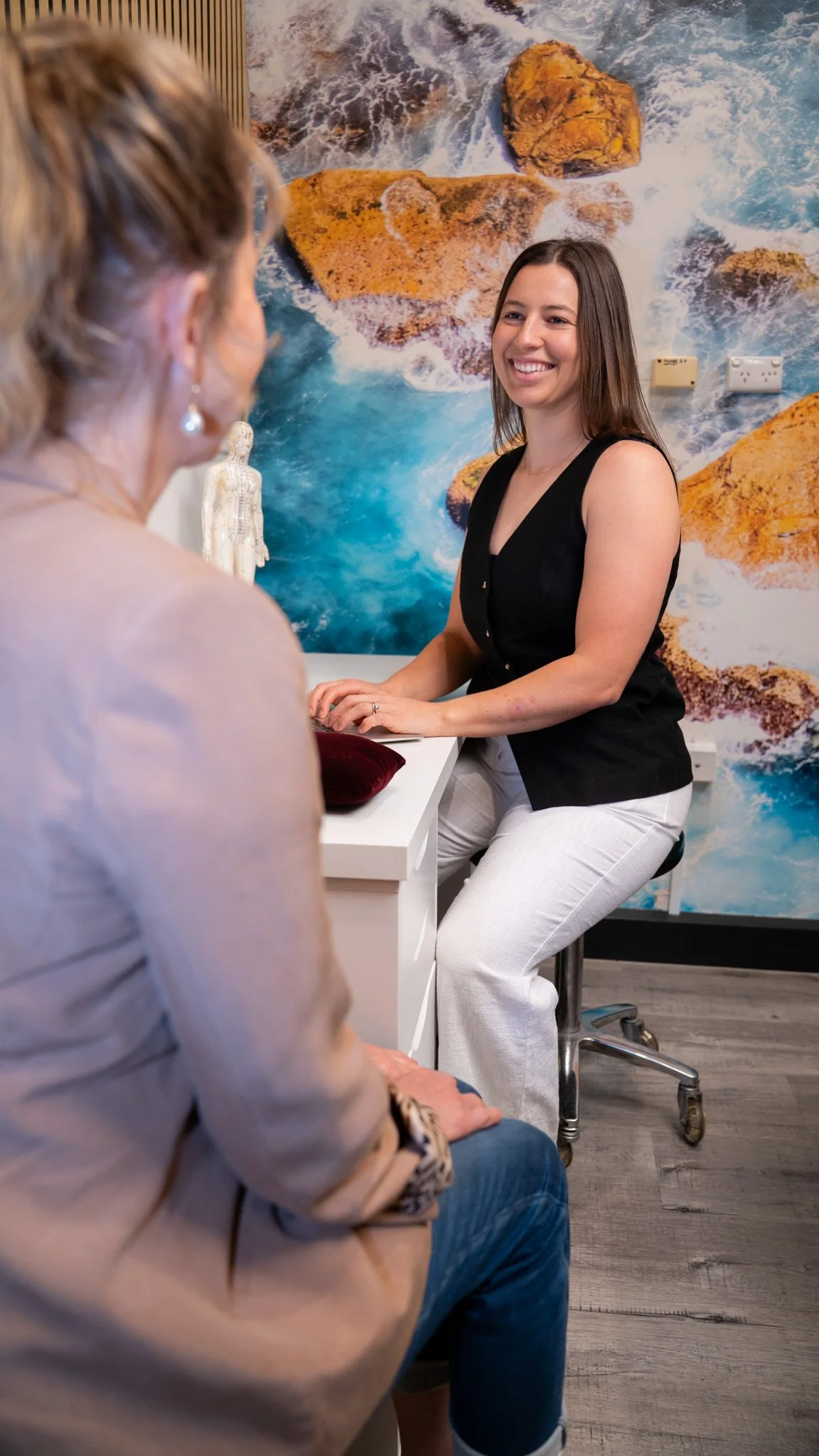
Chinese Medicine View
From a Chinese medicine perspective, regular menstrual cycles depend on the harmonious interaction of the Kidneys, Liver, Spleen, Chong Mai and Ren Mai (two important acupuncture channels that connect to the uterus). These systems work together to produce and circulate Qi and Blood, regulate ovulation, and nourish the uterus.

In women experiencing PCOS, irregular periods, or amenorrhoea, there is often an underlying pattern of imbalance. Broadly speaking, this may occur because the body does not have sufficient resources, such as Qi, Blood, or Kidney Essence, to build and maintain a healthy menstrual cycle, or because there is a blockage preventing the smooth flow of Qi and Blood needed for ovulation and menstruation.
Common patterns seen in clinic include deficiency of Qi, Blood, or Kidney Essence; stagnation of Liver Qi; accumulation of Dampness and Phlegm; and disruption to the body's ability to respond appropriately to stress.

By identifying your individual pattern of imbalance, treatment can be tailored to support ovulation, regulate the menstrual cycle, improve overall health, and create the most favourable environment for reproductive wellbeing.How acupuncture works
Regulates HPO axis
Acupuncture helps regulate the hypothalamic pituitary ovarian axis to support healthy reproductive hormone signalling.
Nervous System Regulation
Acupuncture helps regulate the nervous system to bring you back into your ‘rest and digest’ state (parasympathetic)
Improves circulation
Acupuncture supports healthy blood flow to the ovaries to support the return of ovulation.
Reducing Insulin levels
Acupuncture can improve glucose transport & reduce insulin levels.
The ideal treatment plan
As follicle development takes approximately three months, I generally recommend a minimum three-month treatment period, including acupuncture and Chinese herbal medicine, when working toward cycle regulation and the return of ovulation and menstruation. This allows time for meaningful changes to occur and for progress to be monitored across multiple cycles. However some women needs longer treatment periods, especially if this is a chronic issue and there hasn't been a period in over a year. If you’re not based in Wollongong, and are using telehealth appointments herbal medicine is still very effective. Herbs are taken daily, alongside any tailored supplements to your needs, with follow up appointments being monthly.