Acupuncture for Stress & Anxiety in Wollongong
Holistic acupuncture and Chinese medicine support in Wollongong for stress, anxiety and nervous system support.
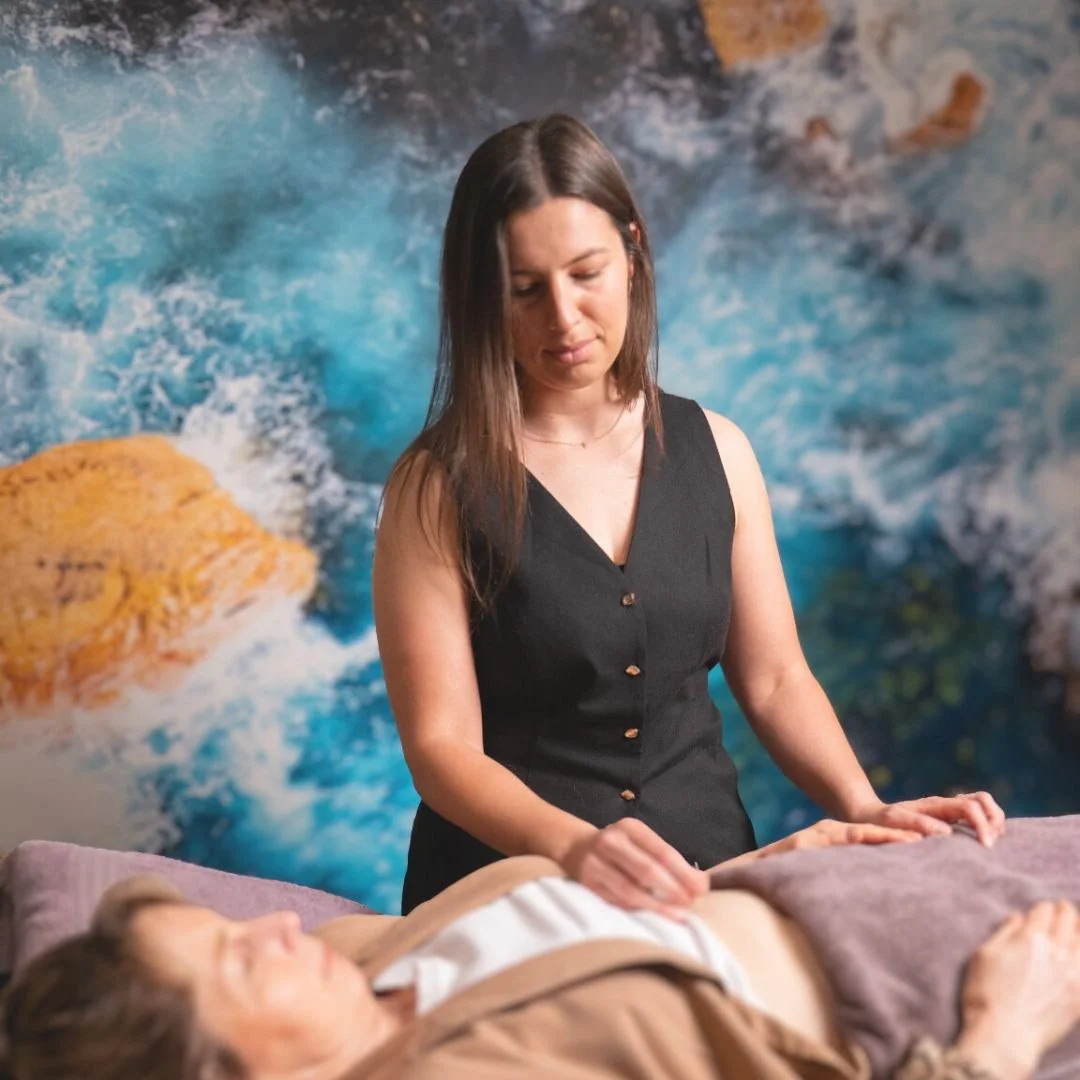
Acupuncture for stress, anxiety & nervous system support
Stress affects all of us at some point in life, especially in today’s fast-paced world where many people are constantly balancing work, family, responsibilities, and the pressures of modern life. We know that chronic stress can have a significant impact on overall health and may contribute to symptoms affecting the nervous system, sleep, digestion, hormones, energy levels, pain, and emotional wellbeing. Anxiety is also becoming increasingly common, affecting many Australians at some stage in their lives.

While acupuncture cannot remove the stressors of everyday life, it may help support how your body responds to stress and increase your capacity to cope with it more effectively. Acupuncture and Chinese medicine aim to regulate the nervous system, support relaxation, improve sleep, and help restore balance within the body.

At our clinic in Wollongong, treatment is always tailored to the individual, taking into account your symptoms, lifestyle, emotional wellbeing, and overall health picture. The goal is not only to help manage symptoms, but to support you in feeling calmer, more resilient, and more connected within yourself.
Understanding Stress & Anxiety
Stress is a normal part of life and is often a response to life’s circumstances and demands. It can be described as a state of mental or emotional pressure, where there is a sense of urgency, overwhelm, or pressure. In short periods, stress can be helpful and motivating. However, when stress becomes chronic or ongoing, it can begin to impact many areas of health including sleep, digestion, hormones, pain, mood, energy levels, and overall wellbeing.Anxiety differs from stress in that it is often a more persistent feeling of worry, fear, or unease that may continue even without a clear or immediate cause. Feelings of anxiousness are a normal human emotion, however when they become prolonged, excessive, irrational, or begin interfering with daily life, relationships, work, or wellbeing, they may become more problematic.Common signs of stress
irritabilityconstant worrytrouble sleepingfatiguedigestive complaints like loss of appetite, loose stools, constipation, bloating,trouble concentratingheadaches
Common signs of anxiety
Mental: Feelings of dread, panic, irritability, an inability to stop worrying or feeling on edgePhysical: Increased heart rate, palpitations, rapid or shallow breathing (hyperventilation), sweating, trembling, and digestive issues.Cognitive: Trouble concentrating, difficulty sleeping, and obsessive thoughts

Chinese Medicine View
In Chinese medicine, the mind and body are viewed as deeply interconnected, meaning emotional health and physical health are always influencing one another. Rather than separating mental and physical symptoms, Chinese medicine looks at the whole person and the underlying patterns contributing to imbalance.

The Heart is considered to have a close relationship with the mind and emotions. In Chinese medicine, the Heart houses the Shen, often translated as the mind or spirit. When the Heart is balanced, a person may feel calm, grounded, emotionally stable, and able to sleep well. When the Heart is disturbed, symptoms such as anxiety, restlessness, poor sleep, palpitations, or an inability to settle the mind may arise.

The Liver also plays an important role in stress and emotional wellbeing. One of the Liver’s functions in Chinese medicine is to ensure the smooth flow of Qi throughout the body. Stress, frustration, emotional suppression, or prolonged overwhelm may disrupt this flow, leading to feelings of tension, irritability, mood changes, tight muscles, headaches, digestive symptoms, or emotional dysregulation.

The Spleen is closely connected to digestion, energy production, and the emotion of worry or overthinking. In modern life, many people experience chronic mental stimulation, overwork, and excessive thinking, which may weaken the Spleen over time. This can contribute to symptoms such as fatigue, brain fog, digestive issues, poor appetite, bloating, and a tendency toward worry or rumination.

Acupuncture and Chinese herbal medicine aim to restore balance between these systems, helping regulate the nervous system, calm the mind, support digestion and sleep, and improve the body’s ability to cope with stress more effectively.How acupuncture works
Endorphin release
Acupuncture stimulates the release of the body’s own feel good hormones like endorphins, serotonin, dopamine and GABA.
Nervous System Regulation
Acupuncture helps regulate the nervous system to bring you back into your ‘rest and digest’ state (parasympathetic) to promote sleep and calm.
Regulate HPA axis.
Acupuncture helps regulate the brain & adrenal pathways involved in the production of cortisol.
Reducing Inflammation
Acupuncture has anti-inflammatory effects helping to combat the inflammatory impacts of stress on the body.

What to expect from treatment
For those based in Wollongong and surrounding areas, I generally recommend beginning with 4–6 acupuncture sessions, ideally weekly to start with. This helps build momentum in regulating the nervous system, supporting relaxation, improving sleep, and increasing the body’s capacity to cope with stress more effectively.
If weekly sessions are not feasible, treatments can also be spaced fortnightly depending on your schedule and budget, however consistency is still important. Some people notice changes relatively quickly, while others experience more gradual improvements over time as the body shifts out of a prolonged stress response.  Once symptoms become more stable, appointments can often be spaced further apart as part of a maintenance approach to help support long-term nervous system regulation and overall wellbeing.

For those outside of Wollongong, telehealth consultations with Chinese herbal medicine can still be a highly effective option. Herbal medicine is typically taken daily and may be combined with dietary, lifestyle, and supplement recommendations tailored to your presentation, with follow-up appointments generally scheduled monthly.